Vesicles from plants
Plant cells release exosome-like particles that carry lipids, proteins and small RNAs. They are being studied for how they interact with human cells and for their potential in nutrition, skin biology and delivery.
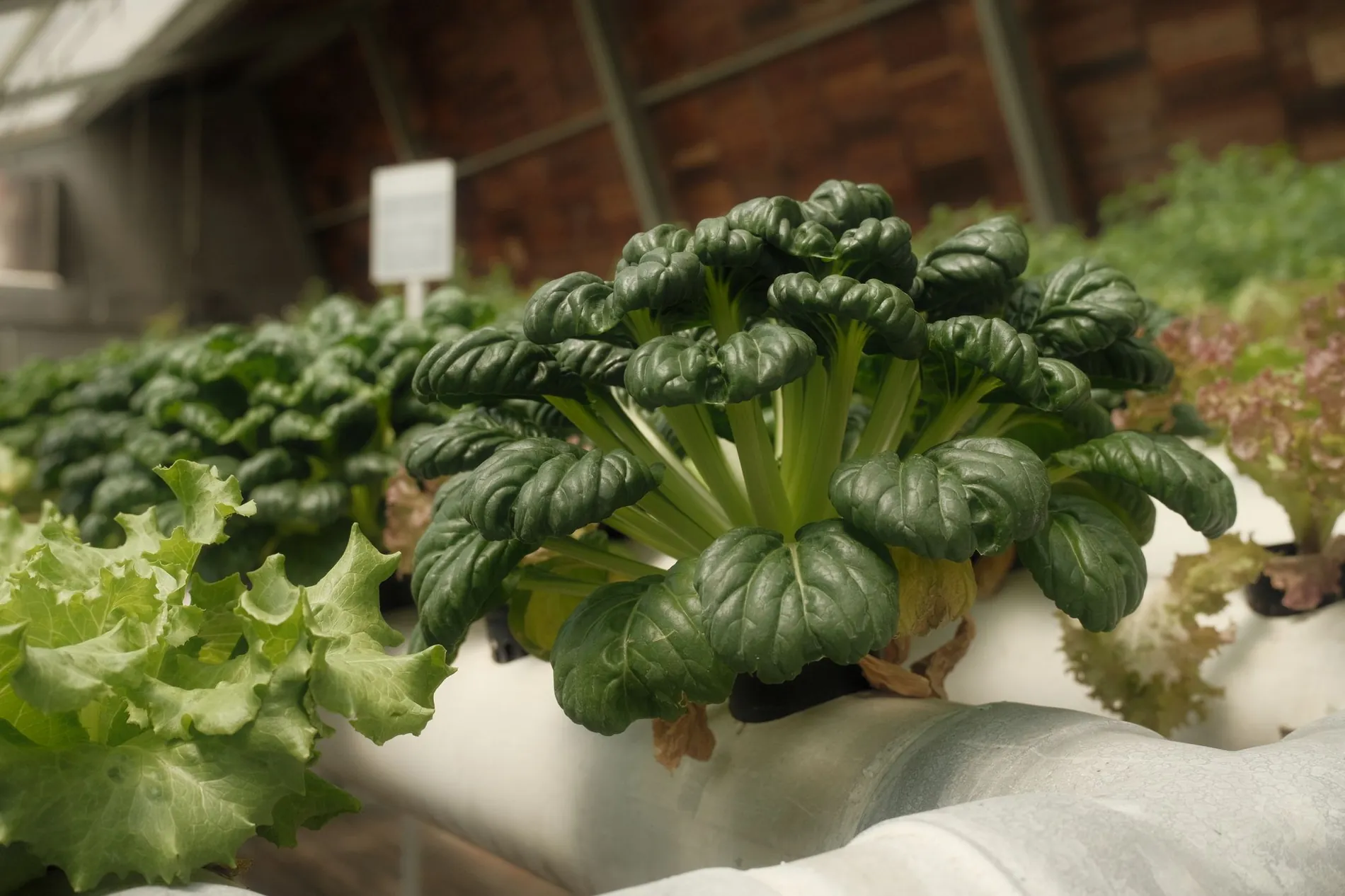
Plants can be grown at scale, and some plant sources are already part of traditional use, which makes them attractive starting materials.
What is still unsettled
Open questions remain. Scientists are still agreeing how best to define and characterise these particles, how their cargo behaves in human cells, and how they should be regulated in different countries.
Claims that run ahead of the evidence are common in this area, which is a good reason to read them carefully.
A careful approach
Our approach is to treat plant-derived vesicles as materials that must be characterised like any other, with source, preparation and measurements recorded.
We say plainly what has and has not been shown, because credibility is built on that distinction.
- Plants release exosome-like particles with lipids, proteins and small RNAs.
- Interest is high, but standards and regulation are still developing.
- Characterise them like any other material and avoid overstating results.
Common questions
Are plant-derived exosomes the same as human exosomes?
No. They come from different organisms and carry different cargo, so they should be characterised and described on their own terms.
Why are plant sources attractive?
Plant material can be grown at scale, and many plants are already part of traditional use, which makes them practical starting points.
Are health claims for plant exosomes proven?
Evidence is still developing. Treat strong claims with caution and look for measured data.