How we measure.
A result is only useful if it can be repeated. These are the numbers we put on every material we make.
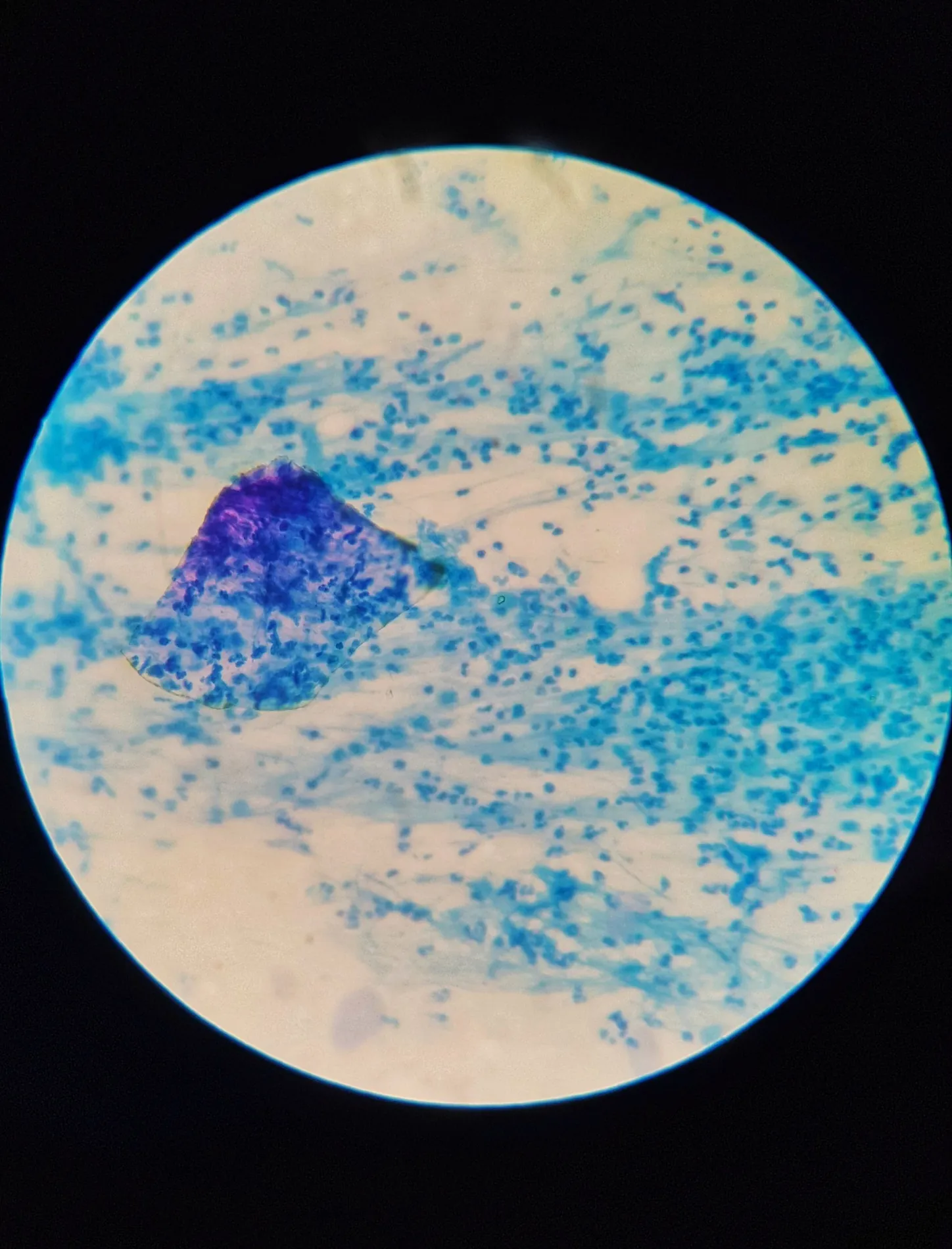
What we measure, by material.
Particle size and concentration, marker panel, protein content and purity metrics, loading efficiency for cargo-loaded lots.
Phenotype, viability, sterility, genetic stability across passages, and functional potency.
Size and uniformity, surface charge, how much payload is enclosed, and stability over time in storage.
Limit of detection, specificity against close relatives, reproducibility across runs and operators.
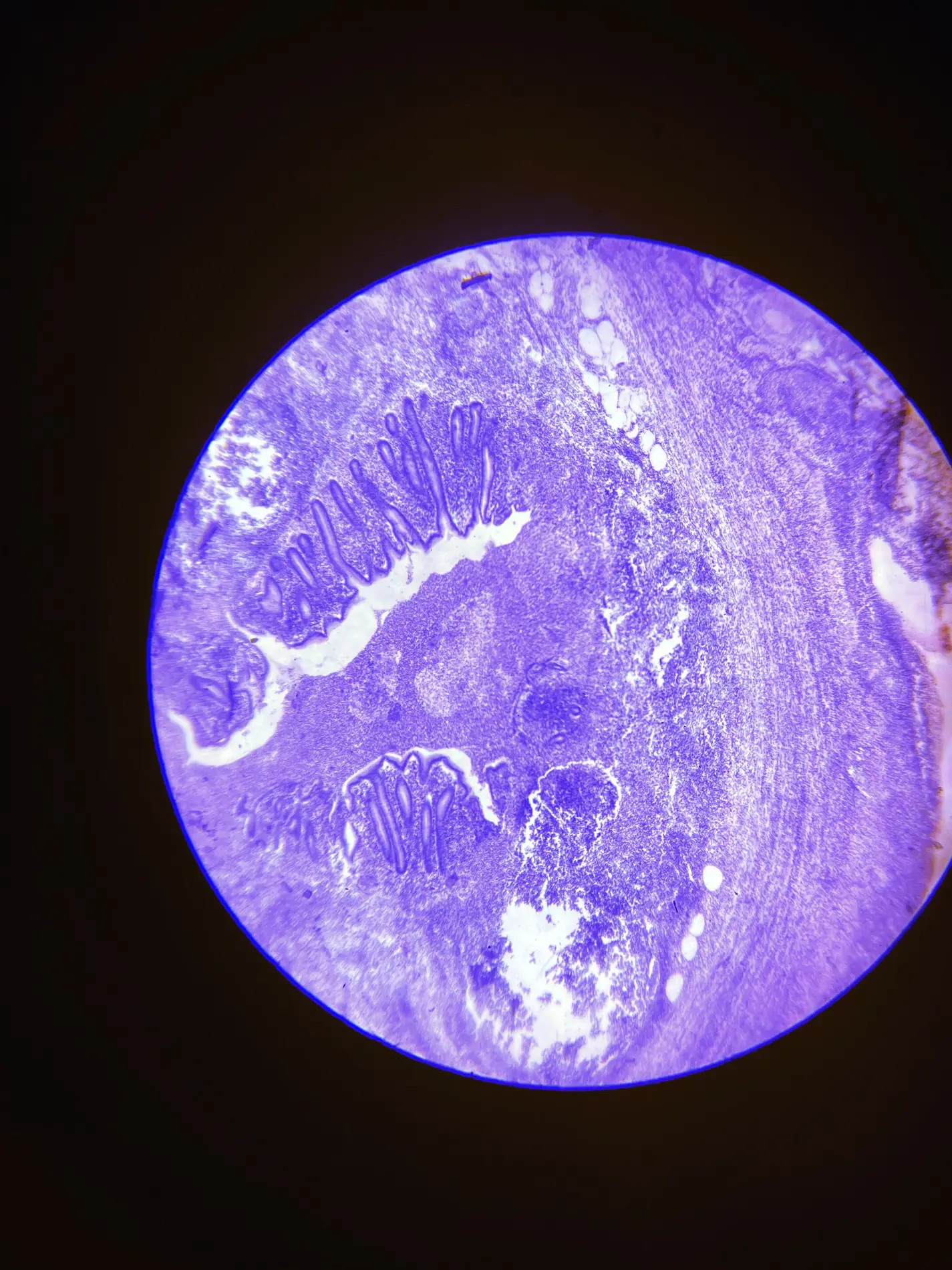
Testing closer to human tissue.
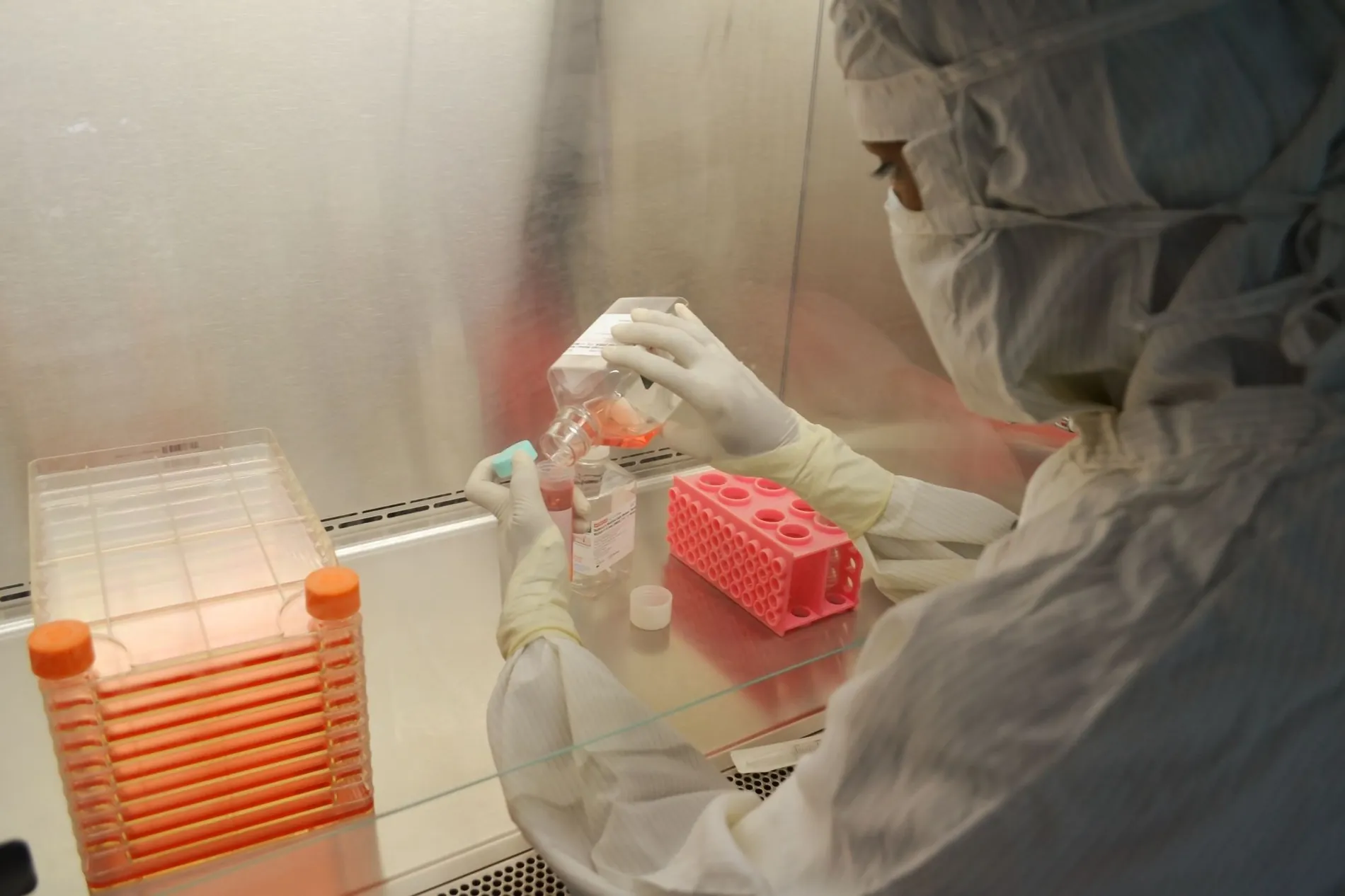
Organoids are small three-dimensional cultures that mimic aspects of real tissue. We use them to ask whether a detection method or an active ingredient behaves as expected in a more realistic setting than a flat dish.
They do not replace clinical evidence, but they narrow the field before expensive steps.
What is still open.
Exosome therapeutics is a young field. Standards for characterisation are still settling, plant-derived vesicles raise new questions, and regulatory routes differ by product type and country.
We say so plainly, and our explainers set out what is established and what is not.
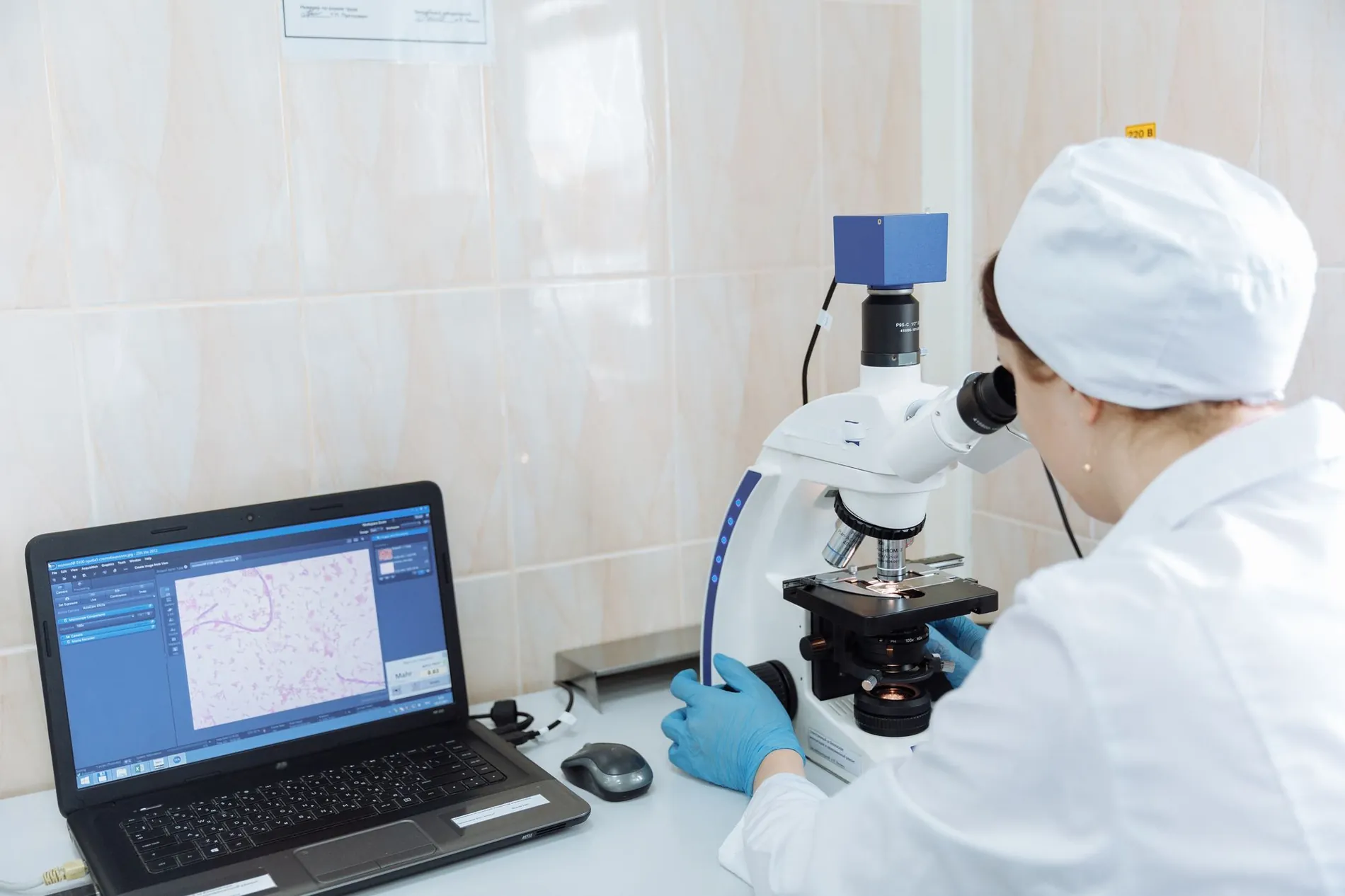
A short guide to common methods.
Methods commonly used to characterise these materials.
Nanoparticle tracking analysis
Follows individual particles under a microscope to estimate size and concentration. Often used for vesicles and liposomes.
Dynamic light scattering
Estimates average size and how uniform a population is, from fluctuations in scattered light.
Electron microscopy
Images individual vesicles directly, showing shape and integrity.
Flow cytometry
Reads surface markers on thousands of single cells, widely used to confirm stem cell phenotype.
Immunoassays
Use antibodies to detect or measure specific proteins, including vesicle marker proteins.
qPCR
Measures nucleic acids and can check cultures for contamination.
Chromatography
Separates and measures components of a mixture, in purification and in analysis.
Endotoxin testing
Looks for bacterial fragments that can cause strong reactions in sensitive uses.
How to read a data sheet.
Look for
- The method used, not just the number
- The sample and the lot it came from
- How many measurements sit behind a value
- Stated limits and what was not measured
Be cautious when
- A result has no method attached
- Ranges are given without a sample size
- A claim goes beyond the data shown
- Different lots are compared by different methods
Look up a term.
Because science has to be repeatable.
A measurement means little if nobody else can repeat it. Standards are the shared ways of measuring things, so that two laboratories can compare notes honestly.
In young fields such as exosome research, standards are still settling. We follow the best current practice, and we say when practice is still moving.
A result without a record is a rumour.
Every number in a data sheet should lead back to a method, a sample and a date. We keep those links intact, so any value can be traced and, if needed, challenged.
That discipline is dull to describe and essential in practice, and it is the reason our quality function exists.
Want the data behind a material?
Ask for a characterisation summary for any lot or formulation.
Contact us →