Stem Cell & Gene Therapy
Regenerative medicine built on high-purity stem cell isolation and targeted gene delivery systems.
What this involves.
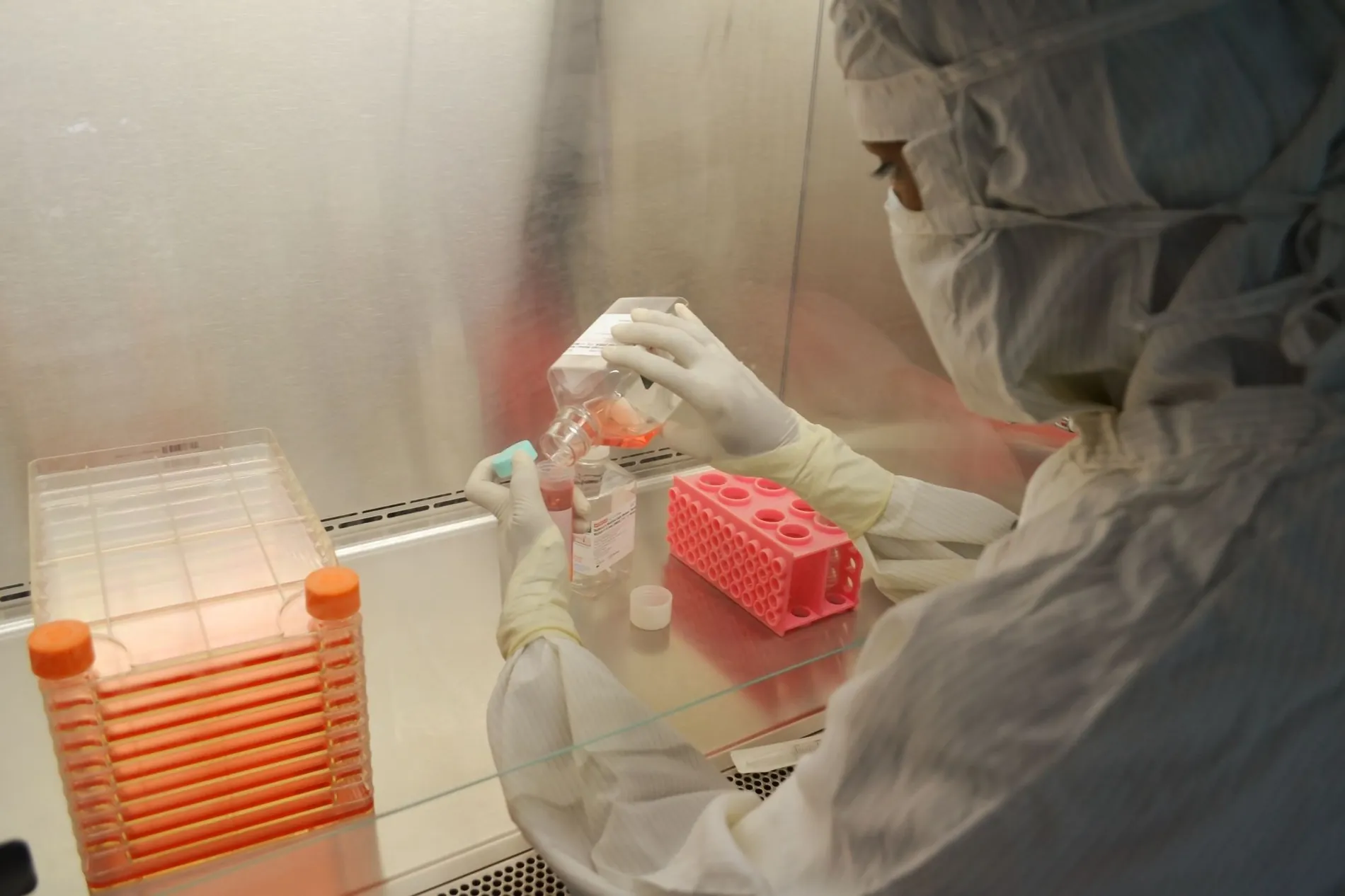
This programme pairs a cellular starting point with ways of carrying genetic instructions into cells. Source, vector and delivery format interact, so they are best chosen together.
We engage at the research and early development stage, where those choices matter most and are still cheap to change.
What we provide
- Stem cell isolation and expansion
- Characterisation and potency assay development
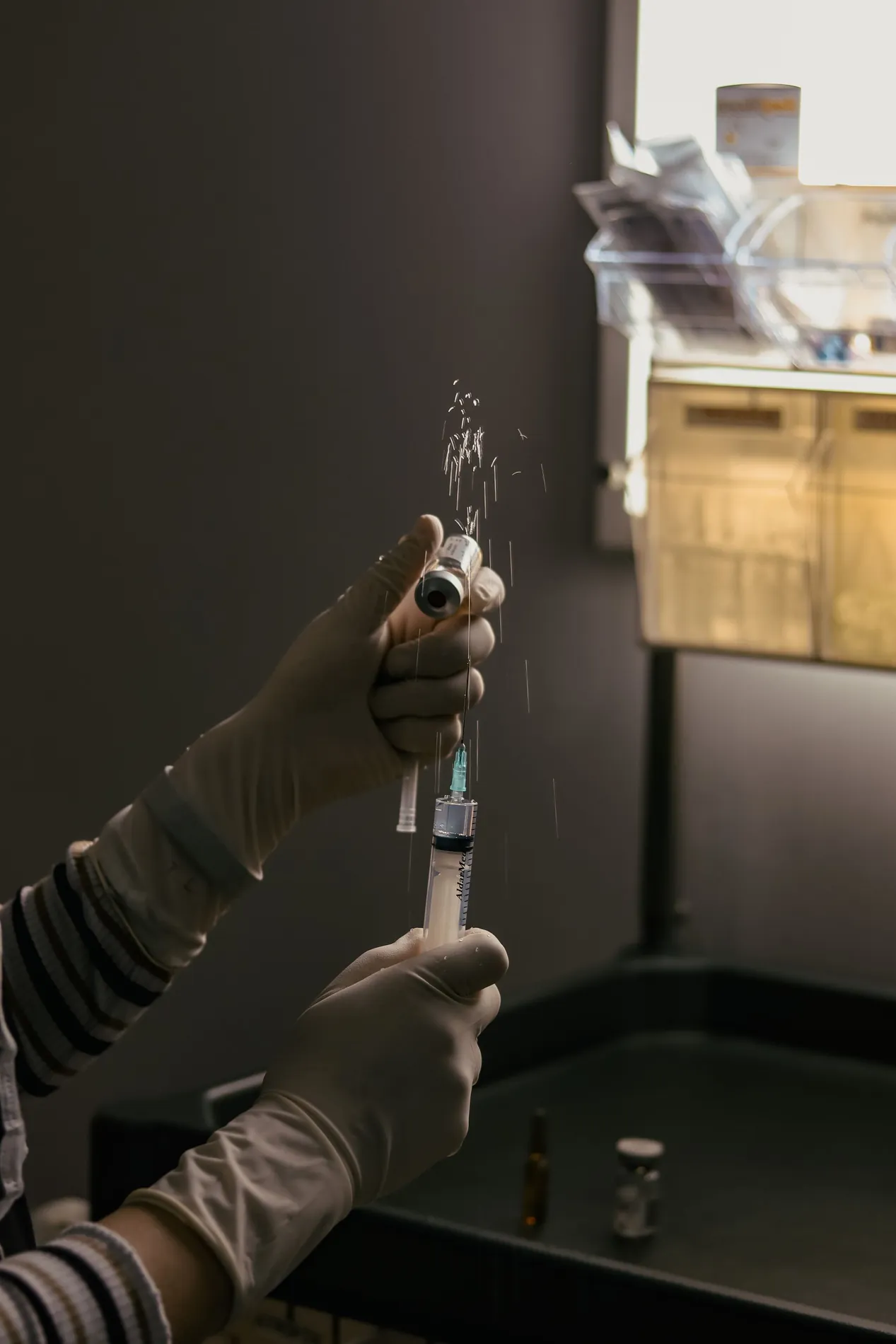
- Lipid-based gene delivery formulation
- Documentation for scale-up planning
Who it is for
- Research groups moving towards translation
- Start-ups defining a cell or gene therapy process
- Companies seeking a development partner in India
How an engagement runs.
Scope
Indication, cell source and delivery goal.
Test
Small-scale isolation, loading and early read-outs.
Develop
Optimise and document for the next stage.
Common questions.
Which stage of development do you work at?
Mainly research and early development, where choices about cell source, vector and delivery format matter most and are still inexpensive to change.
Do you provide clinical-grade cells?
Not yet. Clinical-grade supply depends on GMP facility qualification, which is in development.
Can you help with regulatory planning?
We help partners plan the data a programme will need and flag the regulatory questions early. Formal submissions remain the sponsor's responsibility.
What you receive.
Each deliverable is agreed at scoping.
What we ask before we begin.
Which cell source?
Tissue, donor and handling shape everything downstream.
What is the intended use?
It decides the potency assay and the delivery format.
How will it be delivered?
Route and target tissue guide the choice of carrier.
What scale is needed?
A study and a supply chain need different designs.
How a programme usually unfolds.
Frame
Agree the question, source and success criteria.
Prove
Isolate and characterise the cells, and test delivery at small scale.
Optimise
Tune culture, formulation and assays against the criteria.
Package
Document everything for the next stage.
Terms used on this page.

Cells and delivery depend on each other.
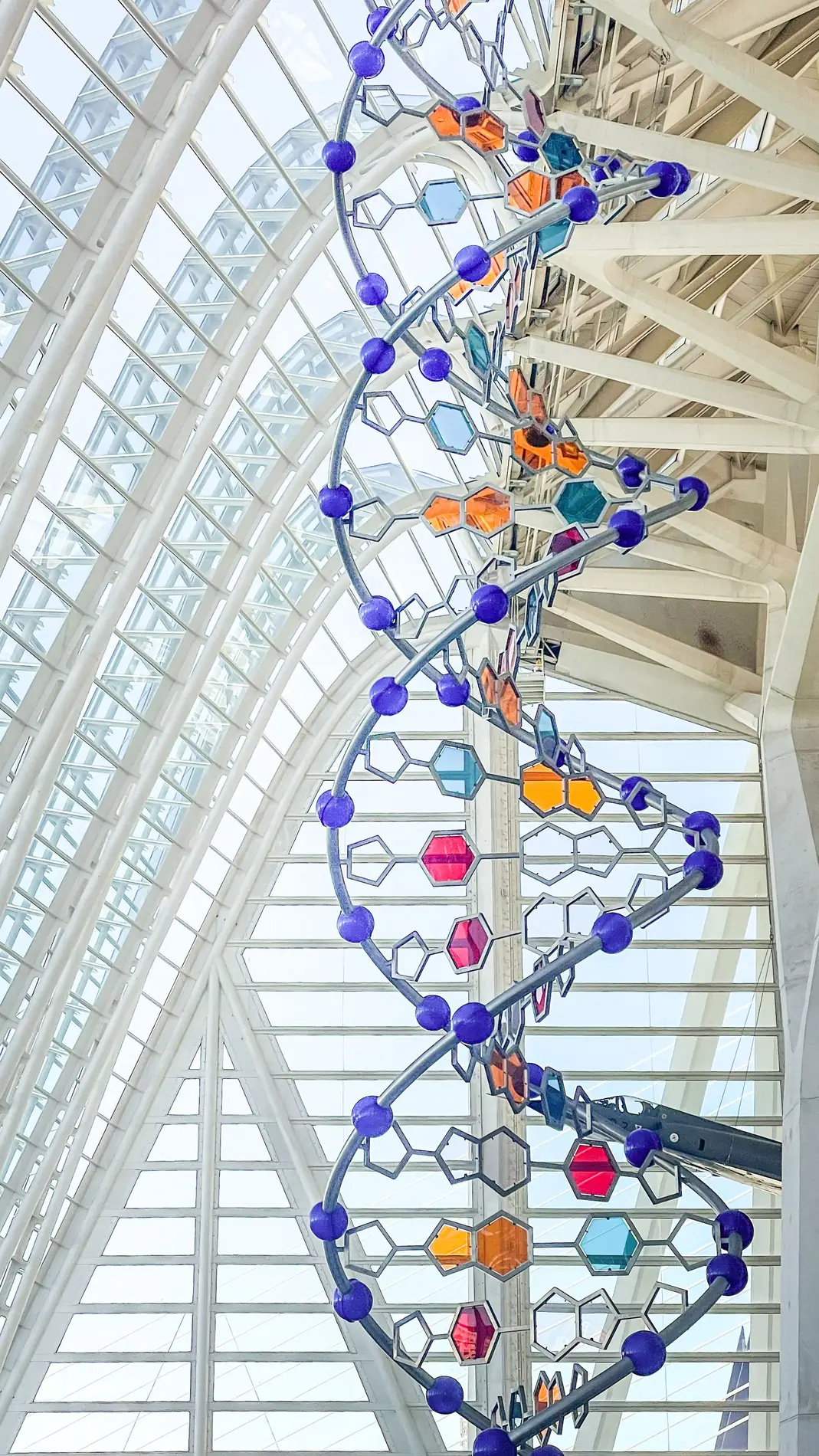
A cell product is only as useful as the way it is made and delivered, and a gene carrier is only as useful as the cell it reaches. Developing the two together avoids a late surprise, such as a carrier that harms the cells it needs.
That is why we treat source, vector and delivery format as one design problem and revisit them at every gate.
About this service.
Which stage of development do you start from?
Mostly early research and development, where choices are still cheap to change.
Can you work from our cells?
Yes, where they are supplied under an agreement.
Interested in Stem Cell & Gene Therapy?
Tell us about your programme and we will reply with next steps.
Contact us →