Novel Diagnostics
Organoid research and diagnostic tools for faster, more accurate pathogen detection.
What this involves.
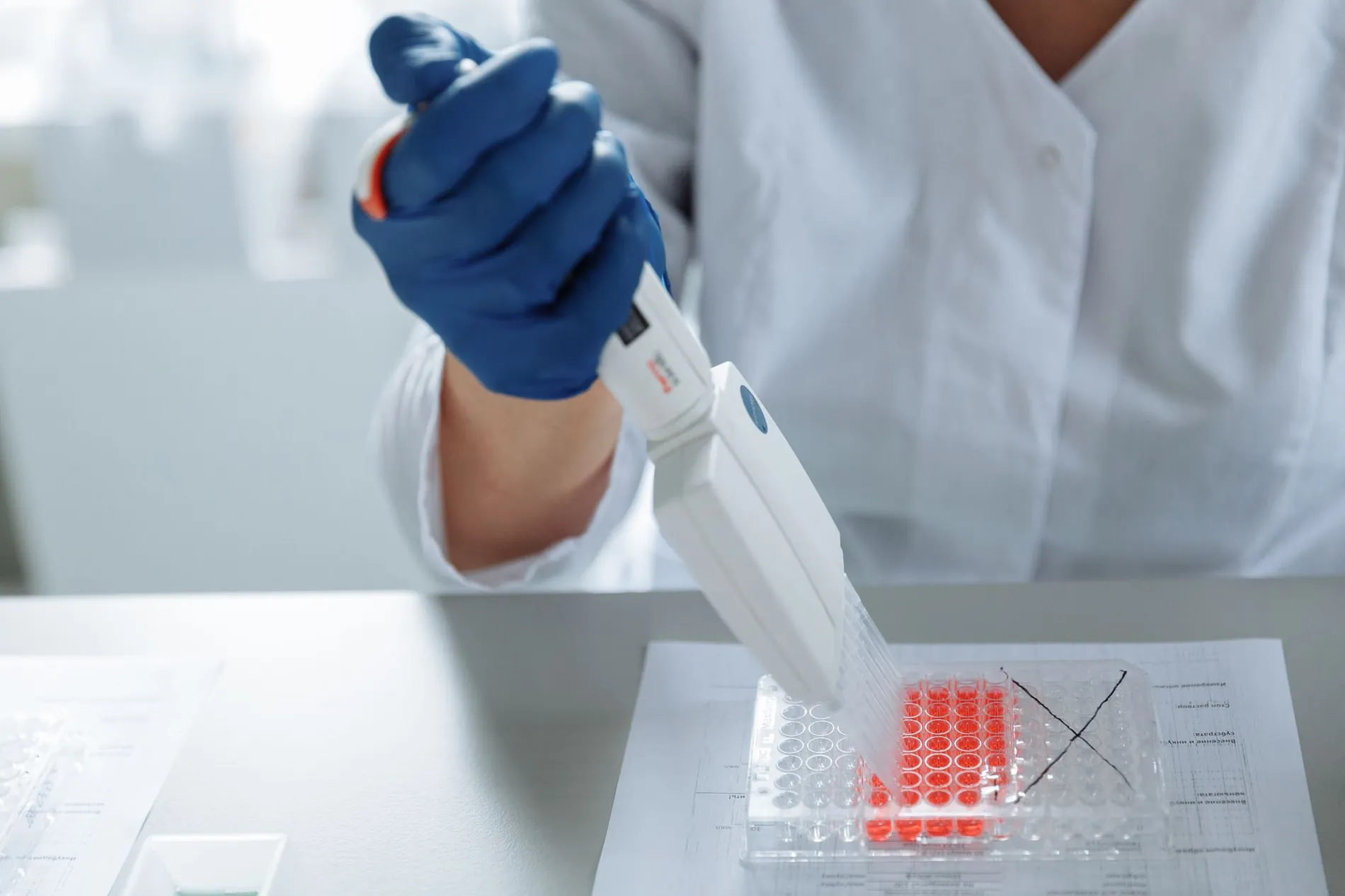
Faster, more accurate detection changes treatment decisions. We combine assay development with organoid models, which let us test detection in a setting closer to human tissue.
Our multiplex formats look for several targets in one sample and are designed for decentralised use.
What we provide
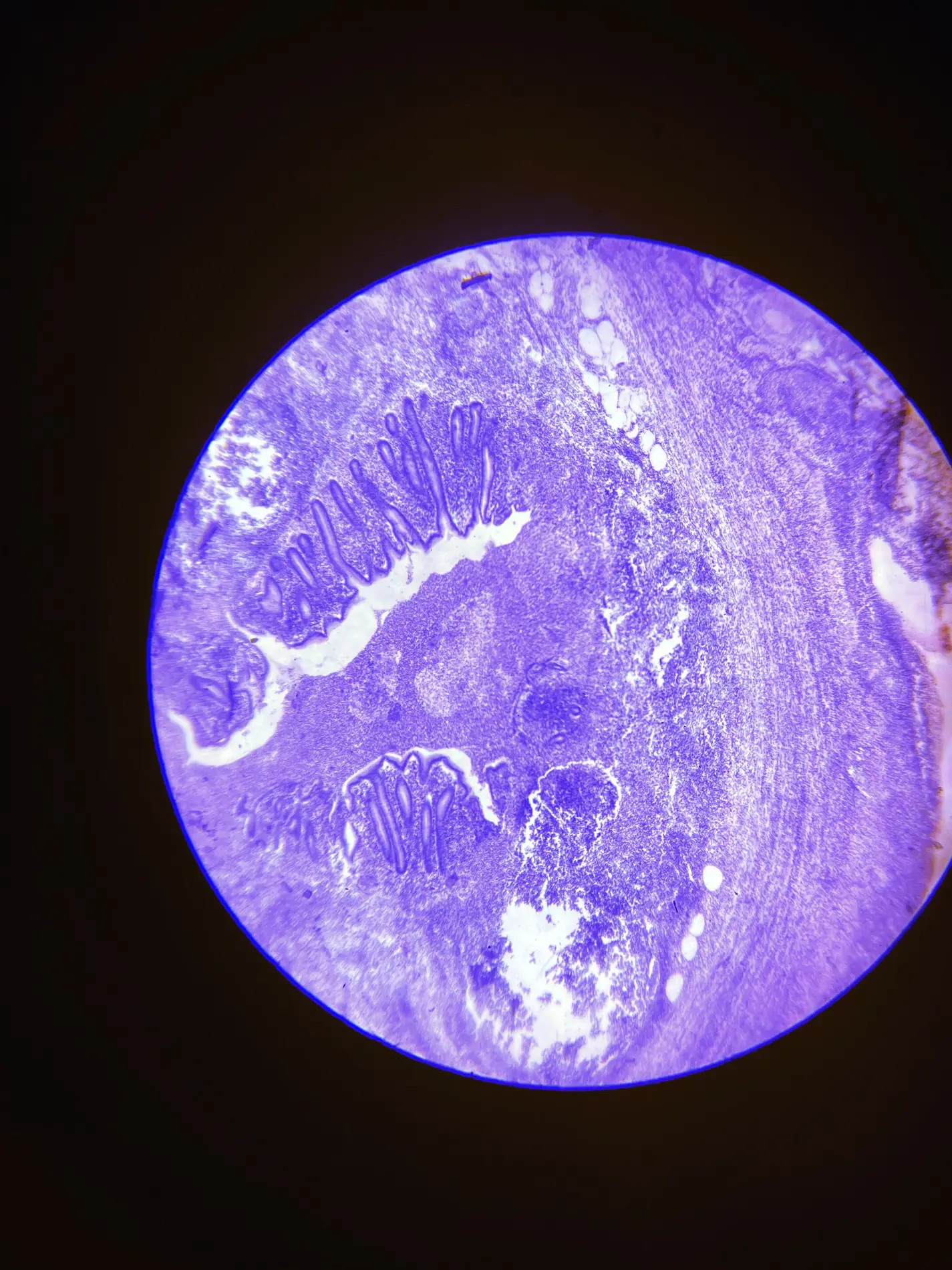
- Multi-pathogen assay development
- Organoid-based research models
- Assay verification
- Reagent formulation and stability work
Who it is for
- Diagnostic start-ups needing development capacity
- Hospitals and research centres exploring new panels
- Partners building point-of-care products
How an engagement runs.
Feasibility
Can the target be detected in this sample type?
Build
Assay development and optimisation.
Verify
Performance data against agreed criteria.
Powered by
Common questions.
Can you develop an assay for a pathogen we choose?
Yes, within the formats our diagnostics platform supports. We start with a feasibility check on the target and the sample type.
What do you mean by organoid models?
Small three-dimensional cultures that mimic aspects of real tissue, used to test detection methods in a more realistic setting than a flat dish.
Will the assay be ready for clinical use at the end?
A development project ends with verified performance data. Clinical validation and regulatory clearance are separate steps that follow.
What you receive.
Agreed at scoping, reported at each gate.
What we ask before we begin.
What is the target?
One organism, a panel, or a metabolic marker.
Which sample?
Blood, swab, tissue or something else changes the chemistry.
Where will it be used?
A laboratory and a clinic make different demands.
What performance is needed?
Targets for sensitivity and speed decide the format.
How an assay programme usually runs.
Feasibility
Test detection of the target in the sample.
Design
Choose the format and build candidate assays.
Verify
Measure performance against the criteria.
Transfer
Package the assay for its intended setting.
Terms used on this page.
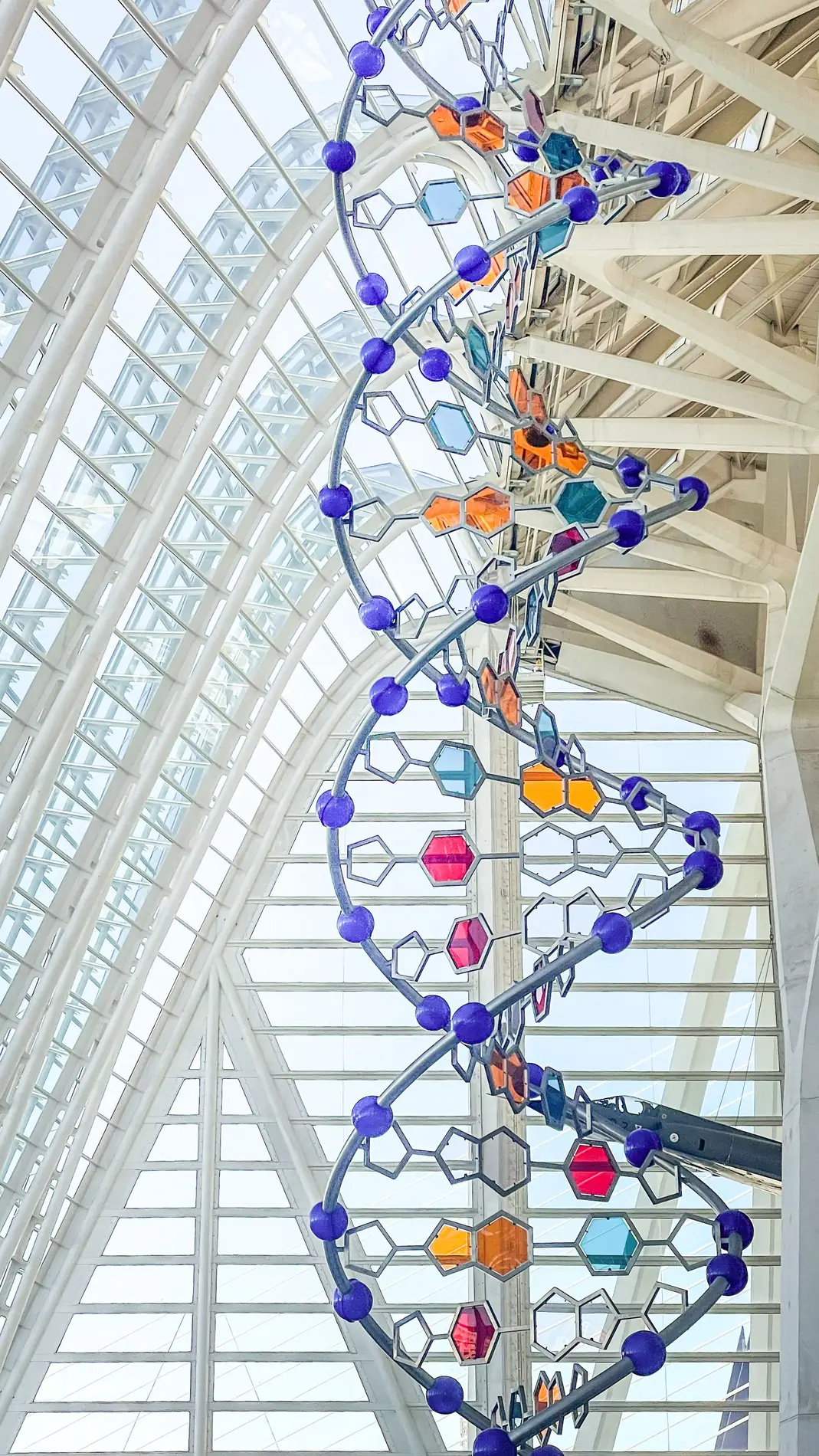
Closer to the real thing.
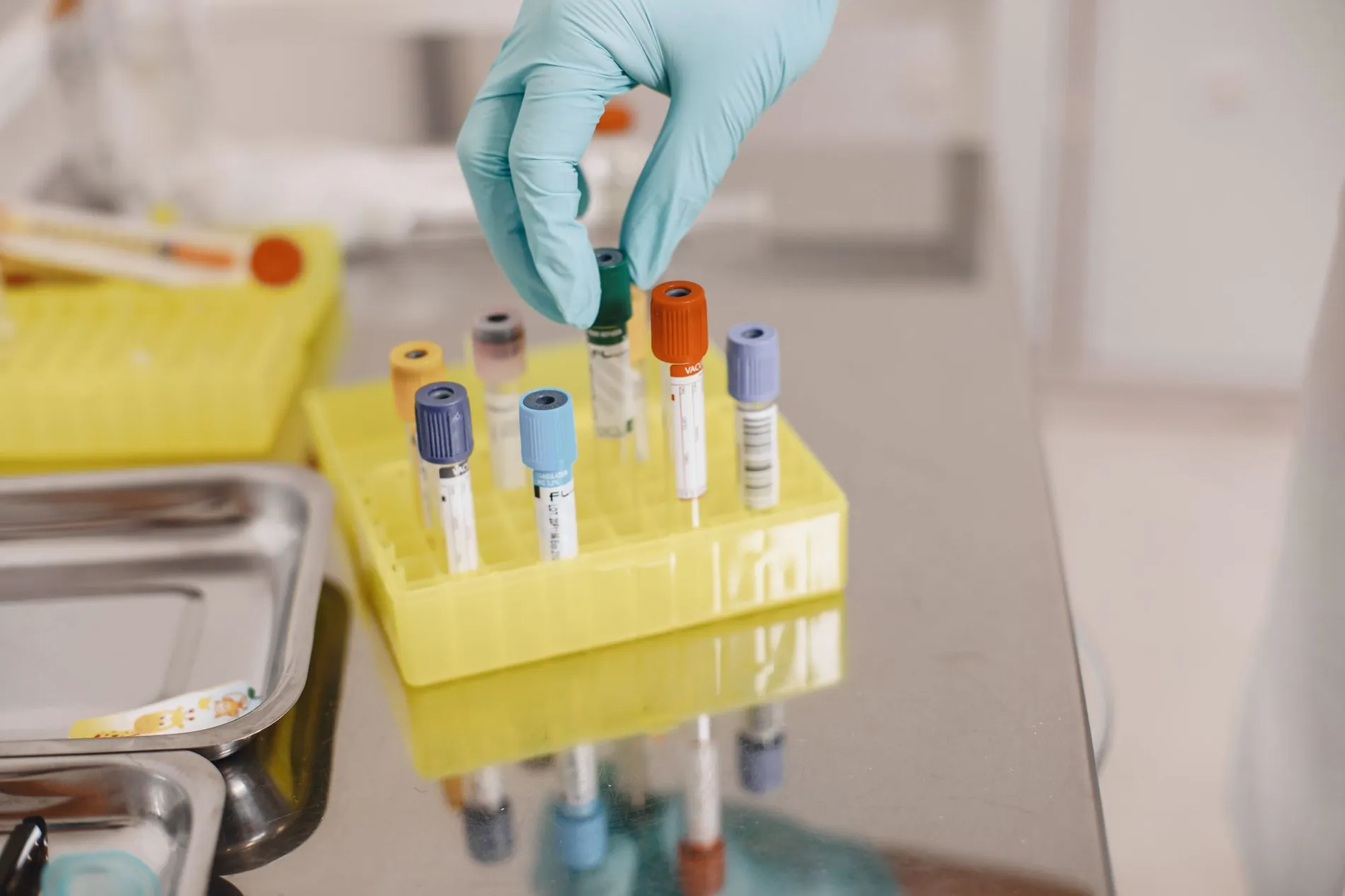
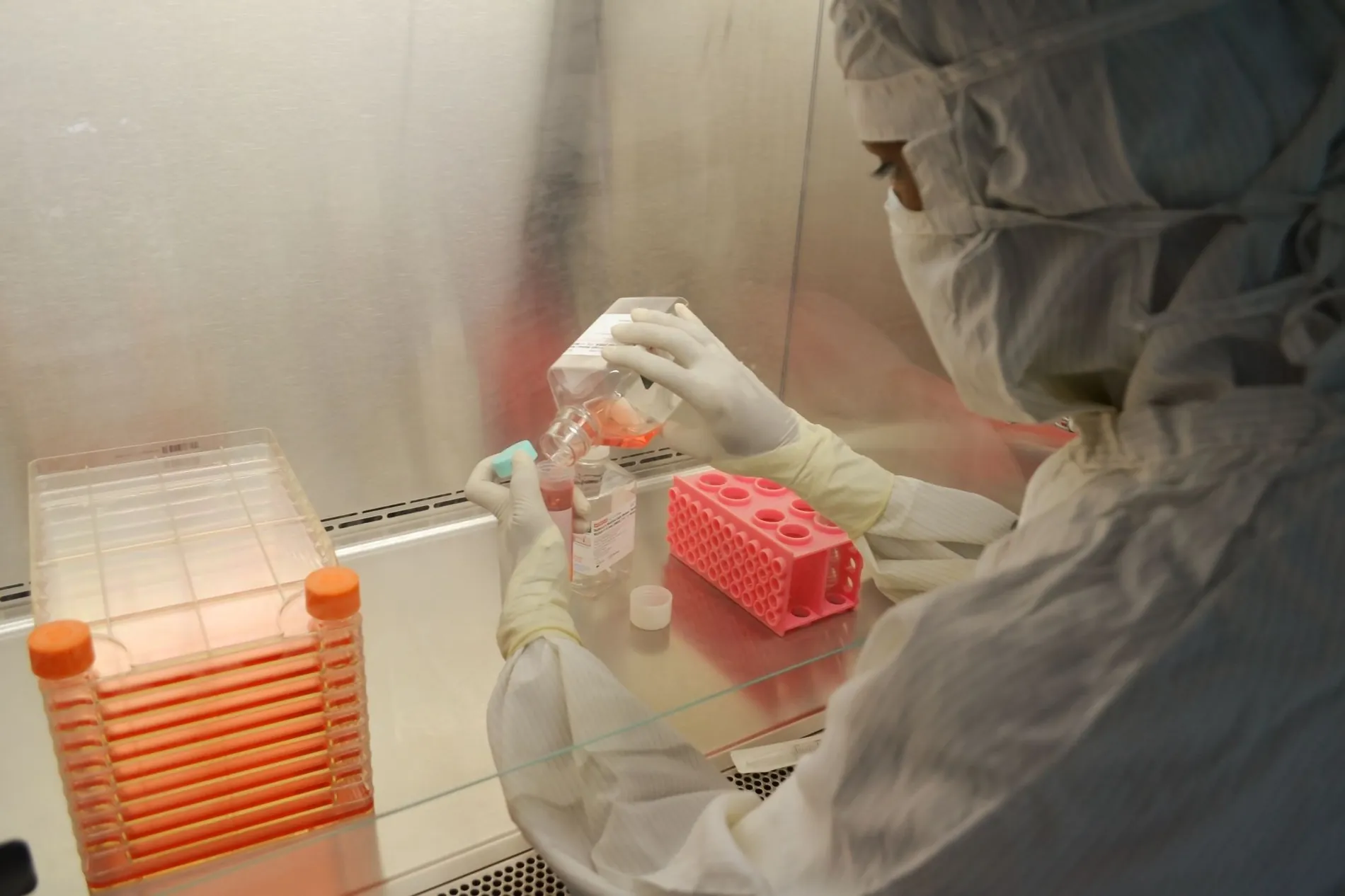
Many assays are first tested on simple samples that behave very differently from patient material. Organoids add a more realistic layer, because they mimic aspects of real tissue structure.
They do not replace clinical evidence, but they help to show early which detection designs deserve the next, more expensive step.
About this service.
Can you help with regulatory planning?
We help you plan the evidence an assay will need and flag regulatory questions early. Submissions are the sponsor's responsibility.
What formats do you use?
Formats are chosen per target and sample, with simple, decentralised use in mind.
Interested in Novel Diagnostics?
Tell us about your programme and we will reply with next steps.
Contact us →